A research lab for human consciousness
We study how a human brain gives rise to experience. These are the five questions we start from, and the ways the field tests them.
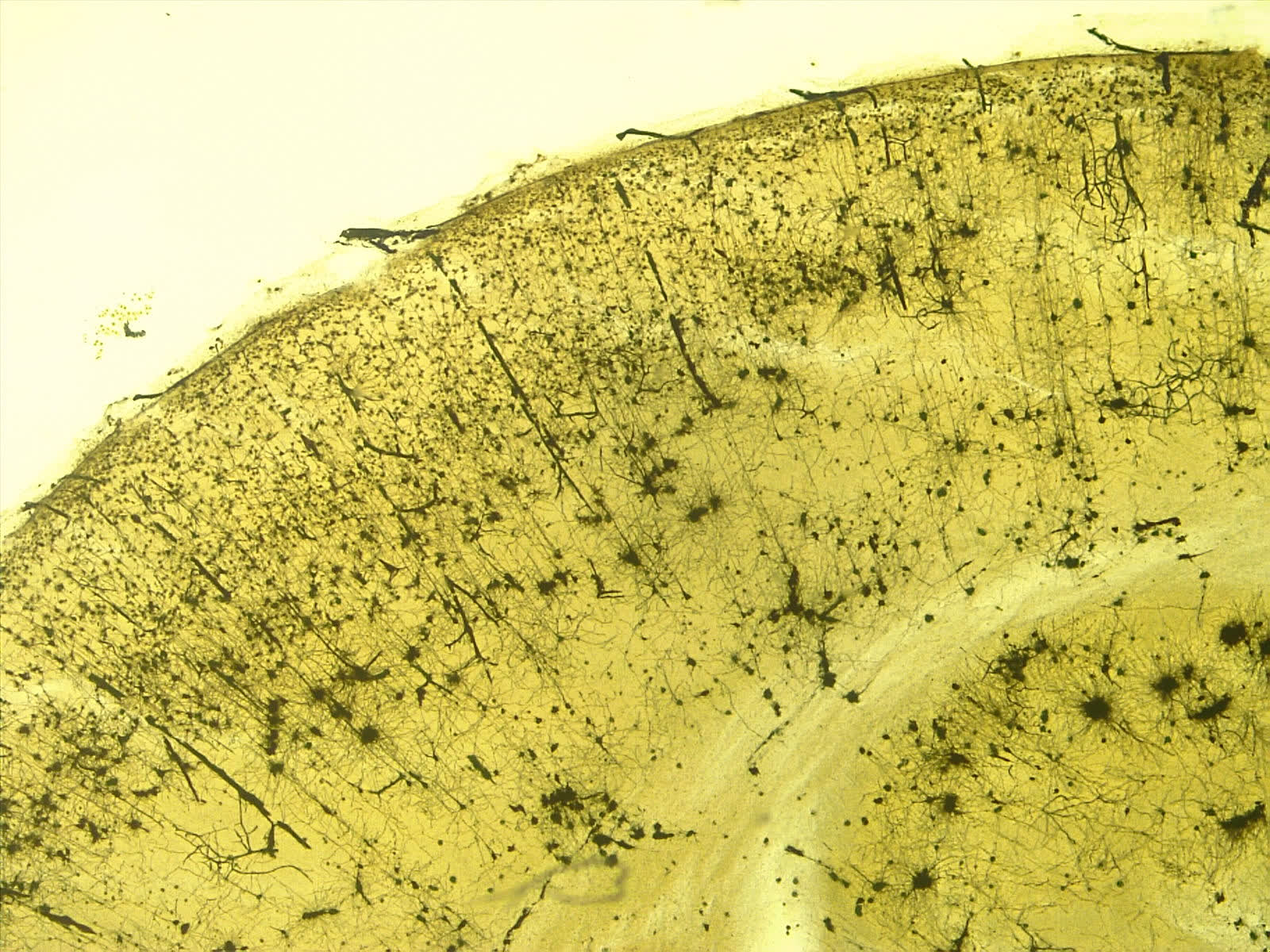
We are a lab with one subject. Human consciousness: what experience is, and how a brain produces it.
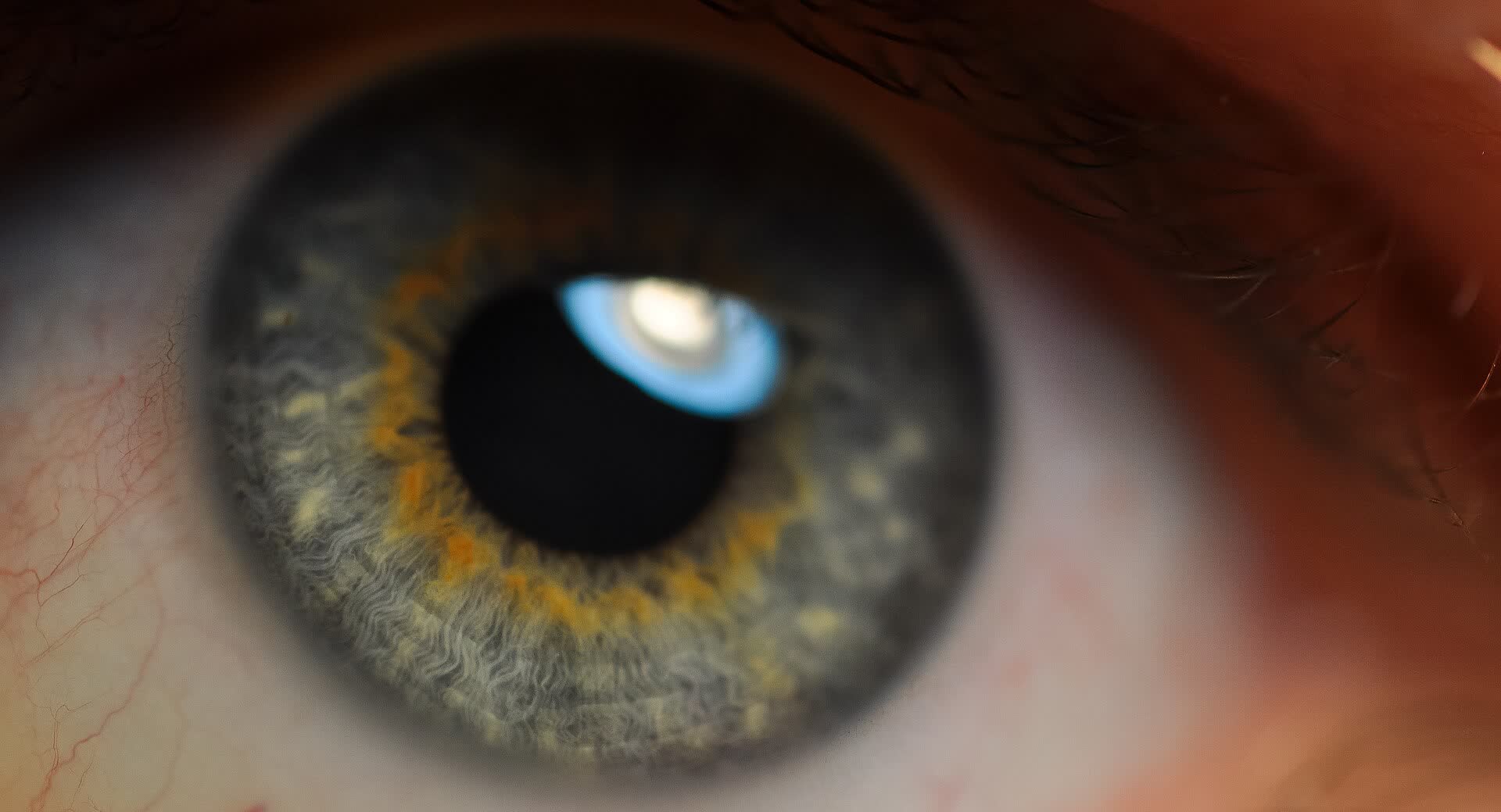
- Subject
- Human consciousness
- Form
- A research lab
- Open questions
- Five, set out below
The five questions we start from
Each is still open across the whole field. The notes set out every problem as it stands today.
The hard problem
Why any physical process comes with experience at all. Explaining what a brain does is one task; explaining why it feels like something is another, and no theory has settled it.
Measuring consciousness
No instrument reads experience directly. Researchers work from what people report, from behaviour and from brain signals, and each of the three can mislead.
The neural correlates
The smallest pattern of brain activity that goes with a given experience. Studies still disagree on whether it sits mainly in the back of the cortex or needs the front as well.
Anaesthesia and sleep
Experience fades in dreamless sleep and under general anaesthesia, then returns. How it switches off and back on is still not well understood.
The self
How a brain builds the sense of being one person, in one body, with one past, and why that sense can come apart in some illnesses.
How consciousness is studied
The field's standard approaches, in three steps. Any serious answer to our questions has to pass through them.
-
Compare seen and unseen
A person sees the same image twice, once shown too briefly to notice. What differs between the two trials is what researchers study.
-
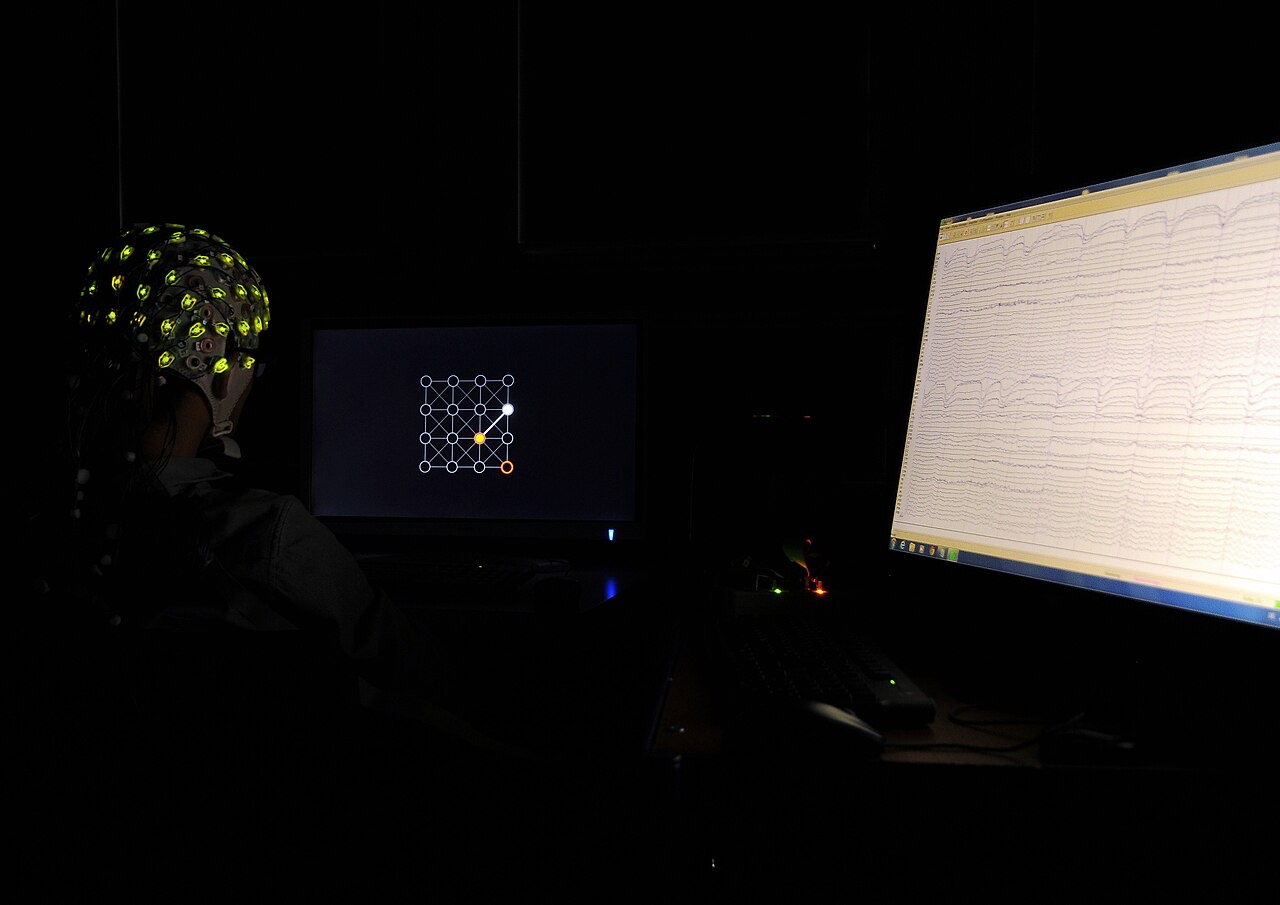
Record the brain's signals
Electrodes on the scalp and brain scanners record activity while people say what they experience, so the reports can be matched to signals.
-
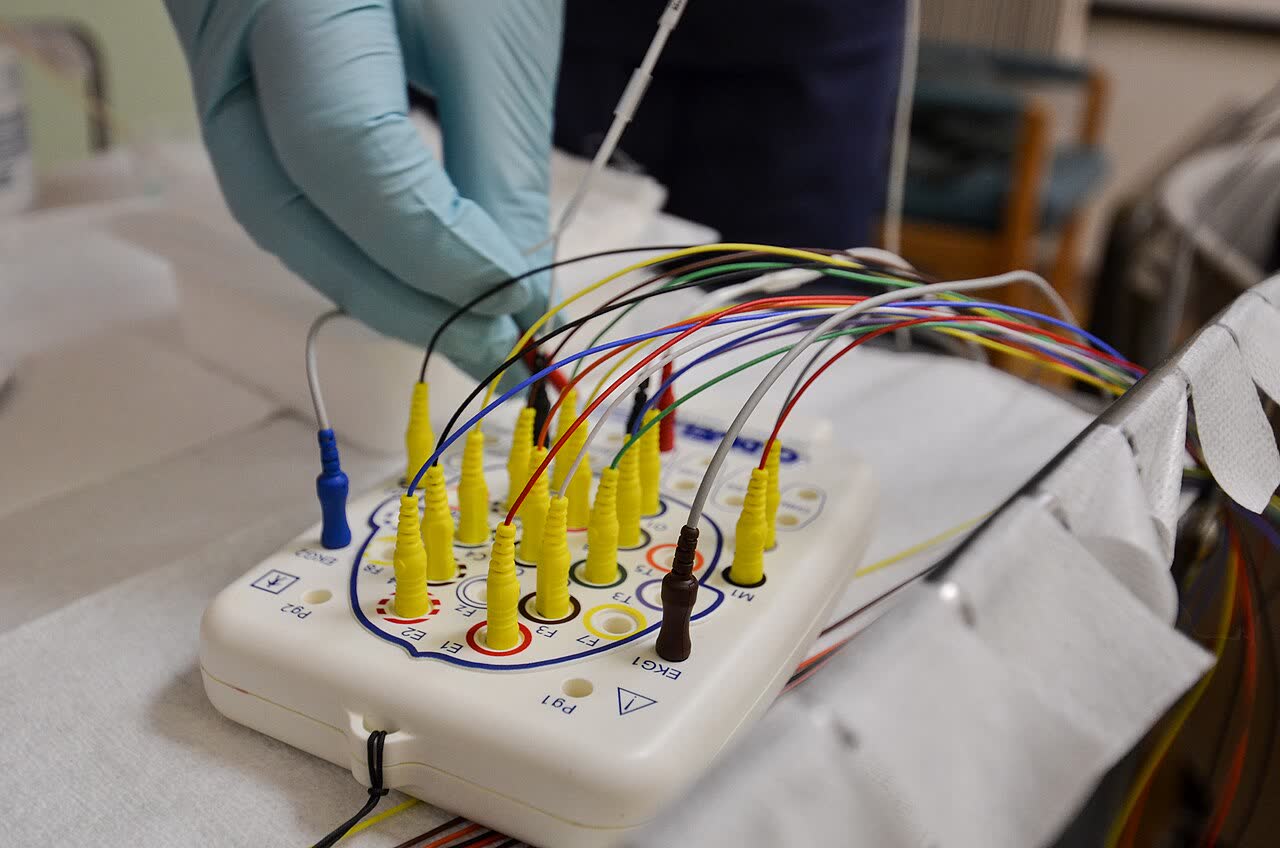
Compare states of consciousness
Waking is compared with dreamless sleep, anaesthesia and brain injury, to find the signals that change when experience fades.
The gap
Everyone knows what it is like to wake up, to see red or to feel pain. No one can yet explain how a brain makes that happen. That gap is what we work on.
Where this research matters
Questions about consciousness are practical. Here are four places where better answers change what doctors and scientists do.
- Anaesthesia
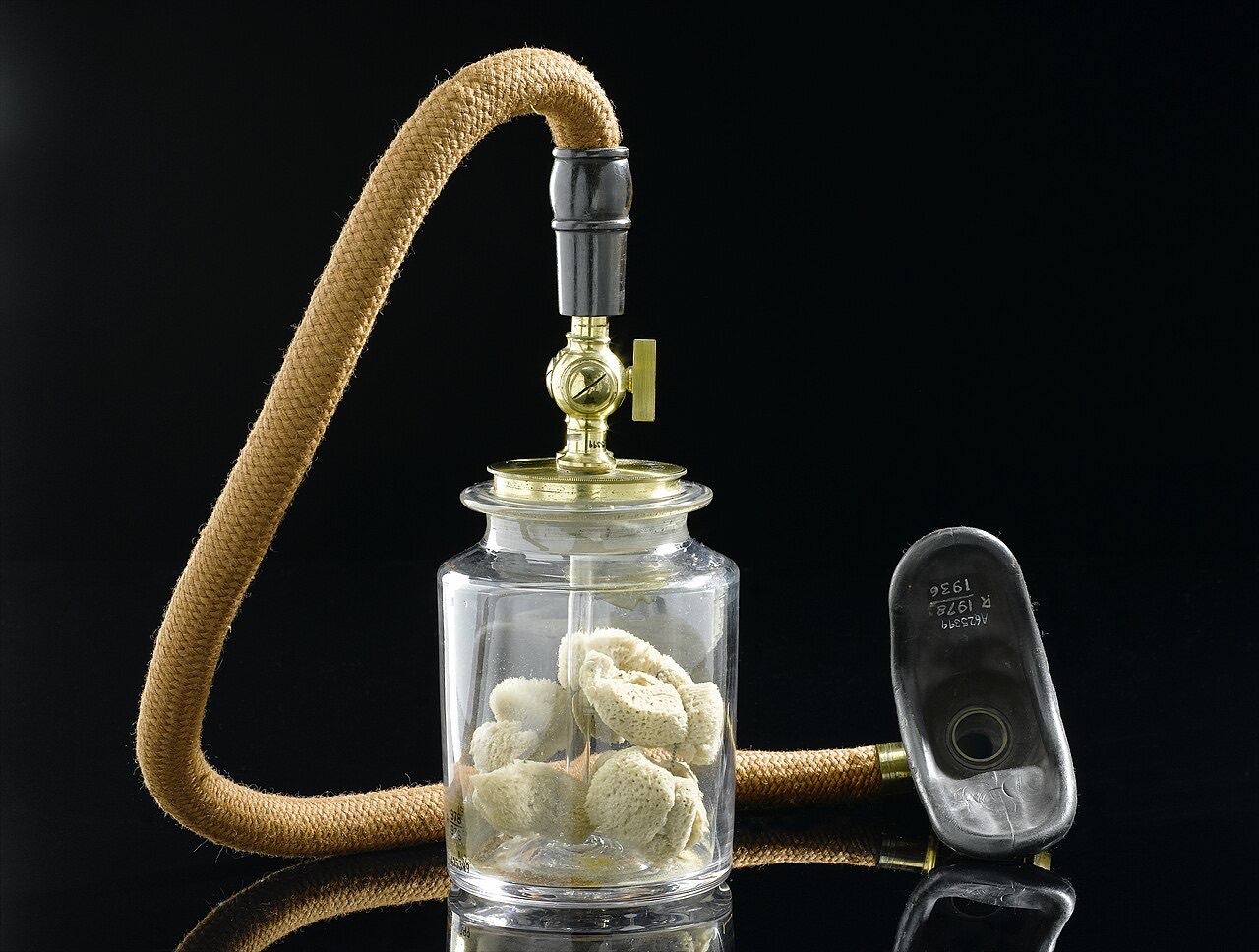
Knowing for certain that a patient under general anaesthesia is not aware.
- Brain injury
Telling a person who is aware but cannot move or speak from one who is not.
- Sleep
What changes between dreaming, dreamless sleep and waking up.
- Other minds
Whether infants, animals or machines have experiences, and what would count as evidence.
Questions about us
Short answers. For anything else, write to us.
What is Human Consciousness Inc?
We are a research lab for human consciousness. Our subject is how a human brain gives rise to experience.
Why these five questions?
They are the ones the field keeps coming back to. Most other questions about the mind lead to one of them.
How can I follow your work?
Write to us and we will send you our work as we publish it.
Can I write to you about my own research?
Yes, please do. Tell us the question you are working on.
Is this a clinic?
No, we are a research lab. For medical questions about anaesthesia, sleep or brain injury, please talk to your doctor.